


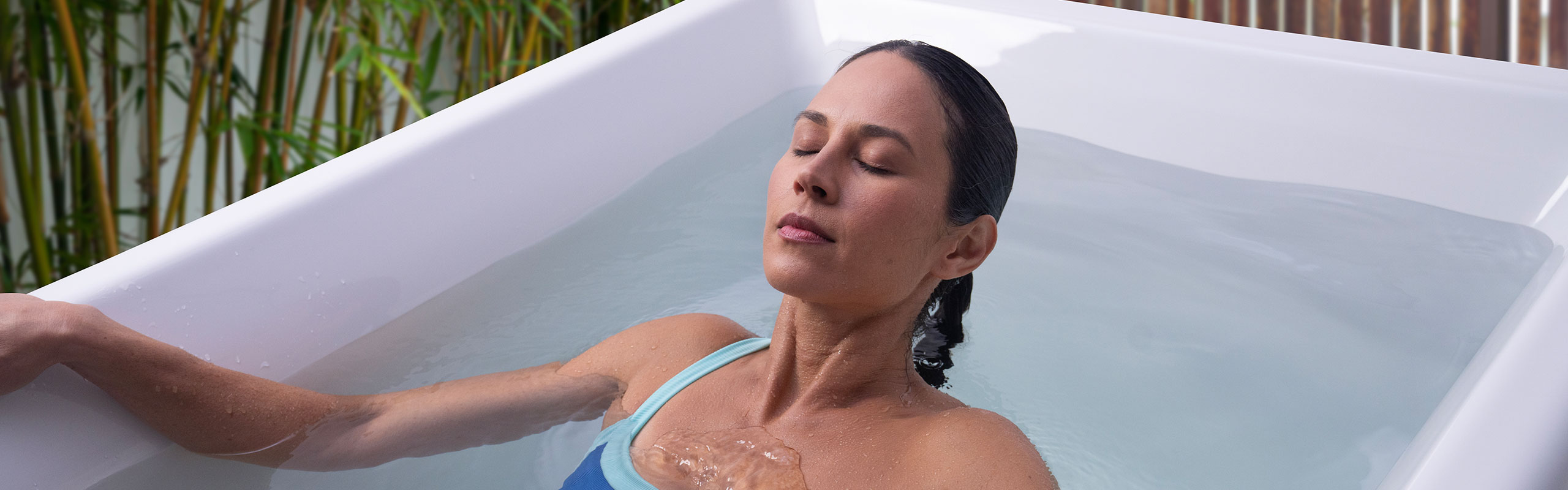
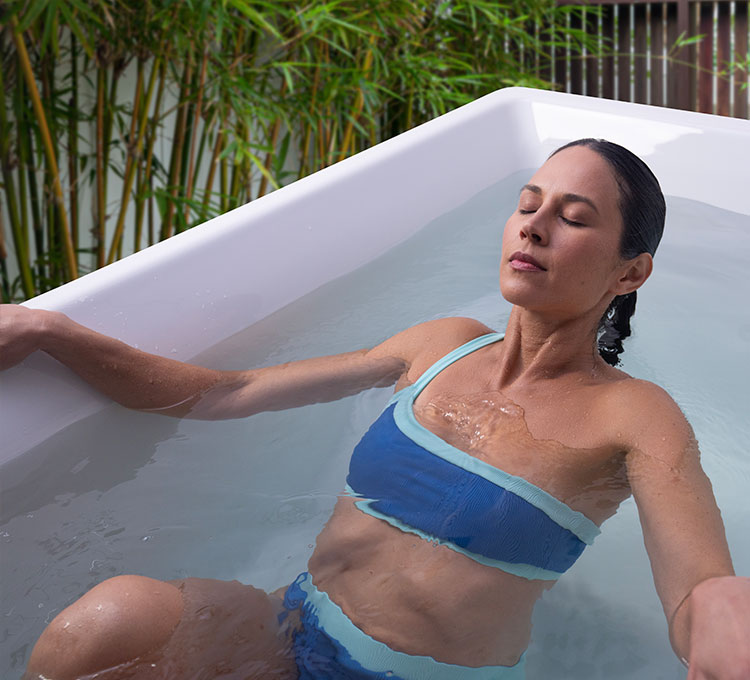
The cooling system, sometimes called a chiller, is what separates a purpose-built cold plunge from a basic ice bath. This guide explains how these systems work and why cooling performance matters so much for day-to-day use.

Cold Plunge Chillers Explained: What They Do and Why They Matter
A cold plunge chiller (often called a cooling system or temperature-control system) actively cools and maintains your plunge water at a set target temperature without requiring you to add bags of ice manually. It works continuously in the background, pulling heat out of the water so the tub stays consistently cold between and during sessions.
What a Cooling System Actually Does
At its core, a cold plunge cooling system works the same way a refrigerator does, just applied to water instead of air. It pulls heat out of the water and moves it elsewhere, gradually lowering the water temperature and then holding it steady at whatever level you set. This is what allows a purpose-built cold plunge to deliver consistent, on-demand cold water every time you use it, rather than requiring you to plan ahead with bags of ice.
You’ll see this component referred to as a “chiller” in a lot of general industry conversation, since that’s a common umbrella term across the cold plunge category. Different manufacturers describe it differently, though, and the terminology can vary depending on the brand and product line. Regardless of what it’s called, the function stays the same: continuously managing water temperature so you don’t have to.
Why They Matter So Much
The cooling system is arguably the single most important part of a purpose-built cold plunge, because it’s what separates these products from a basic insulated tub you fill with ice. Without it, maintaining a consistent cold temperature requires constant manual effort, buying and hauling ice, monitoring water temperature, and repeating the process every time you want to use the tub.
With a working cooling system, you get a tub that’s ready whenever you are, holding a steady target temperature without ongoing manual work. This convenience factor is a big part of why purpose-built cold plunges cost more than basic setups, and it’s usually the feature that determines whether a cold plunge fits smoothly into a regular routine or becomes a hassle that gets used less and less over time.
Key Factors That Affect Cooling Performance
Not all cooling systems perform the same way, and a few specific factors are worth understanding when you’re comparing different cold plunge models.
- Cooling power and recovery time. After you finish a session, the water temperature rises slightly from body heat. A stronger cooling system brings the water back down to your target temperature more quickly, which matters if you or others plan to use the tub multiple times in a day or across back-to-back sessions.
- Temperature consistency. A well-designed system maintains a steady temperature over time rather than drifting up and down. Look for information on how tightly a given system holds its target temperature, since noticeable fluctuation can make sessions feel inconsistent from one day to the next.
- Noise level during operation. Like any mechanical cooling system, these units produce some operational sound. Quieter systems are generally preferable, especially if your cold plunge is located near living space or a spot where noise would be noticeable.
- Integration with filtration. Many cooling systems work alongside a filtration system to manage both temperature and water quality together. Understanding how these two systems interact in a specific model gives you a clearer picture of overall maintenance requirements.
Cooling System vs. DIY Setups
It’s worth understanding the practical difference between a tub with an integrated cooling system and a basic setup that relies on ice. An ice-based approach can work for occasional or budget-conscious use, but it requires ongoing effort: sourcing ice, adding it before each session, and monitoring temperature manually since there’s no automated system maintaining it for you.
A tub with a built-in cooling system removes that manual work entirely. You set your target temperature once, and the system handles the rest, keeping the water ready whenever you want to use it. This convenience is usually the deciding factor for people who plan to use a cold plunge regularly as part of an established routine, since the effort required for an ice-based setup tends to become a bigger barrier to consistent use over time.
What to Ask When Comparing Cold Plunge Models
When you’re comparing cold plunge options, it helps to ask specific questions about the cooling system rather than relying on general product descriptions.
- How quickly does the system bring water back to the target temperature after use?
- How consistently does it hold that temperature during regular operation?
- What kind of maintenance, if any, does the cooling system require over time?
These questions matter more than they might seem at first, since the day-to-day experience of owning a cold plunge depends heavily on how well this system performs. A model with a lower upfront price but weaker cooling performance may end up feeling less convenient in practice than a slightly more expensive option with a more capable system.
Seeing a Cooling System in Action
Understanding how these systems work in theory is useful, but comparing them in person gives you a much clearer sense of real-world performance, including noise level and how the tub feels once it’s running.
The VIGOR Cold Plunge is an excellent example of a fully integrated system, combining temperature control, heating, and multi-stage filtration into a single, whisper-quiet unit. If you want a deeper breakdown before visiting a showroom, explore our Cold Plunge Buyer’s Guide.
Frequently Asked Questions
Find Your Perfect Cold Plunge at Mainely Tubs
Ready to make a cold plunge a permanent part of your home and wellness routine? Visit any of Mainely Tubs’ showrooms across Maine, New Hampshire, Massachusetts, and Rhode Island to get expert help. Our wellness consultants are here to answer every question with honest guidance tailored to your space, goals, and budget.
About Mainely Tubs in Maine, New Hampshire, Massachusetts, and Rhode Island
Mainely Tubs is a 100% Employee Owned premier Hot Spring Spas dealer. We sell and service new hot tubs, used hot tubs, portable spas, swim spas, saunas, cold plunges, hot tub accessories, hot tub water care, and more. Our Brands Include: Hot Spring Spas, Caldera Spas, Freeflow Spas, Endless Pools Swim Spas, Tylo Saunas, Covana, Leisure Time, Fresh Water, Silk Balance, and other brands you can trust.
Related Articles

Cold Plunge Buying Mistakes to Avoid Before You Buy
Cold plunges are a newer category for most buyers, which makes it easy to overlook important details beyond price and temperature. This guide covers the most common buying mistakes so you can make a confident, informed decision.

Indoor vs Outdoor Cold Plunge: Which Is Right for You?
Where you place your cold plunge affects everything from year-round accessibility to drainage and maintenance. This guide compares indoor and outdoor placement so you can choose the setup that fits your space and New England climate.

Cold Plunge Goals: Finding the Ideal Temperature and Time
How cold should the water be, and how long do I need to stay in? The best results come from knowing your goals and matching them to temperature and timing ranges that feel effective and sustainable for you.

Download the Ultimate Cold Plunge Buyer’s Guide
Here’s Everything You Need to Know!
We’ve pulled together everything you need to know about buying a cold plunge. Learn about everything from how it works and what it costs, to the health benefits and installation requirements, all in one convenient guide.