


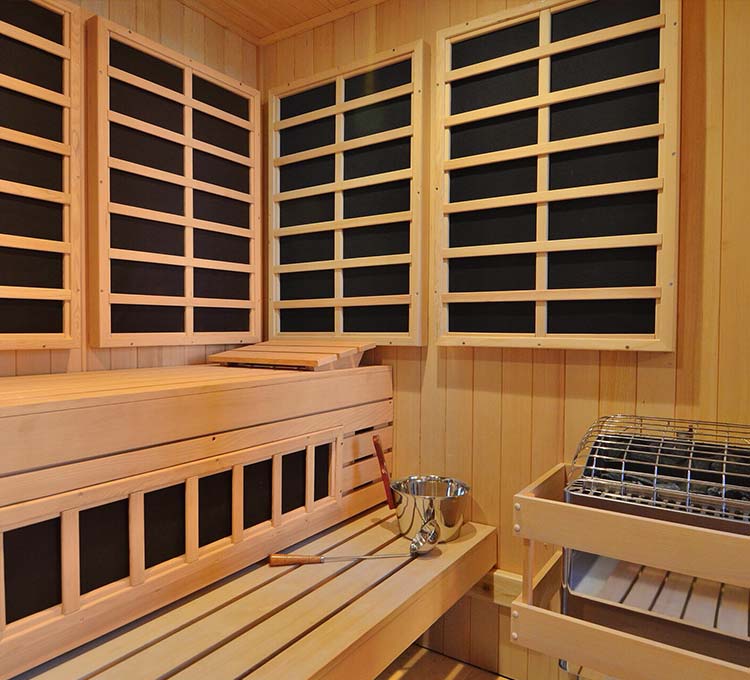
Buying or building a home sauna comes with more decisions than most people expect, and a few common mistakes can affect comfort, performance, and cost down the line. This guide covers the biggest ones so you can avoid them from the start.

9 Home Sauna Mistakes to Avoid Before You Buy or Build
The biggest mistakes people make when buying a home sauna include choosing the wrong location, picking the wrong heater type for their needs, underestimating space requirements, ignoring build materials, and skipping realistic maintenance planning. Most of these mistakes come from focusing only on price or appearance without thinking through daily use.
1. Choosing the Wrong Location
Where you put your sauna affects almost everything else about how it performs. One of the most common placement mistakes is installing a sauna in an unheated basement and expecting it to reach full temperature efficiently. Standard sauna heaters are designed to heat the interior air, but they also work in relation to the temperature around the sauna itself. A cold, unheated space surrounding the sauna makes the heater work harder and take longer to reach your target temperature, which affects both comfort and energy use.
Before you settle on a location, think about the ambient temperature of the room, how easily you can access the space year-round, and whether the flooring underneath can handle moisture and heat over time.
2. Picking the Wrong Heater Type
Sauna heaters come in a few different types, including electric, wood-burning, infrared, and hybrid models, and each one delivers a different heat experience. Choosing a heater based on price alone, without considering how you actually want the sauna to feel, is a common and easily avoidable mistake.
Electric heaters are popular for their consistency and ease of use, while wood-burning heaters are great for people who want a more traditional experience. Infrared saunas emit infrared light waves to heat your body directly rather than warming the surrounding air, which creates a noticeably different feel than a traditional heat source. Taking time to understand these differences before buying helps you avoid ending up with a sauna that doesn’t match the experience you actually wanted.
3. Underestimating Space Requirements
It’s easy to underestimate how much room a sauna and its surrounding clearance actually need. Beyond the interior bench space, you need to account for heater clearance, door swing, and comfortable room to move around inside. A sauna that looks like it will fit perfectly on paper can feel cramped once benches, a heater, and one or two people are actually inside it.
This mistake often shows up when people try to fit a sauna into a leftover corner of a basement or garage without first confirming there’s enough clearance on all sides for safe and comfortable use.suit buyers who value tradition and don’t mind the extra maintenance involved.
4. Ignoring Bench Layout and Seating
Infrared saunas work differently from traditional heaters entirely. Instead of heatinBench layout affects both comfort and how many people can use the sauna at once. A single-level bench keeps everyone at the same height, which means people closer to the heater experience less intense heat than those seated higher up would. Multi-level benches let you choose your preferred heat intensity by sitting higher for more heat or lower for a milder session.
Buyers sometimes overlook this detail entirely and end up with a layout that doesn’t match how many people will use the sauna or how much heat variation they want.
5. Overlooking Build Materials
The wood used inside a sauna affects heat retention, aroma, durability, and how the space feels over time. Cedar, hemlock, and other common sauna woods each have different characteristics, and choosing based on appearance alone without considering how the material performs under heat and humidity is a mistake that shows up later in the form of faster wear or a less comfortable interior.
It’s worth taking time to understand what materials are used in a given model and why, rather than assuming all sauna interiors perform the same way regardless of wood type.
6. Assuming All Saunas Need Special Ventilation
Some buyers assume that a home sauna requires complex ventilation modifications similar to a commercial installation. For most standard saunas, this isn’t the case. Ventilation needs for a fully custom-built sauna can vary based on its specific design and integration into your home, but a standard model is generally built to function properly without requiring specialized ventilation work. Unnecessary ventilation planning for a standard sauna can mean spending money you don’t need to.
7. Underestimating Maintenance
A sauna requires some ongoing care, though it’s generally less demanding than a hot tub or swim spa. Wood surfaces benefit from occasional cleaning and inspection, and heaters need periodic checks to keep them functioning properly. Buyers sometimes assume a sauna is entirely maintenance-free simply because it doesn’t involve water chemistry the way a hot tub does, and end up surprised when basic upkeep is neglected and the interior shows wear sooner than expected.
8. Not Planning for Realistic Usage Patterns
Some buyers choose a sauna size or heater type based on how they imagine using it rather than how they’ll actually use it day to day. If you plan to use your sauna regularly with a partner or family member, a single-person layout will feel limiting quickly. On the other hand, buying a larger sauna than you’ll realistically use adds unnecessary cost and takes up more space than needed.
Thinking honestly about how often you’ll use the sauna and who else will use it helps you land on a size and layout that actually fits your routine, rather than one that looks appealing in a showroom but doesn’t match daily reality.
9. Skipping Professional Guidance Before Buying
Trying to make every decision alone, without input from someone knowledgeable about saunas, is one of the easiest mistakes to avoid. Placement, heater type, materials, and layout all interact with each other, and a decision that seems reasonable in isolation can create problems when combined with other choices. Working with an experienced team from the start helps you catch these issues before they become expensive fixes later.
The Sauna Buyer’s Guide is a useful starting point for understanding how these factors fit together, covering heater types, materials, and sizing in more depth. If you already have a good sense of your space and priorities, the Find Your Perfect Sauna tool can help point you toward models that fit your specific situation.
For buyers with unique space constraints or specific design goals, custom built saunas offer more flexibility than standard models, though they also come with more decisions to work through, which is where experienced guidance matters most.
Frequently Asked Questions
Find Your Perfect Sauna at Mainely Tubs
Ready to make a sauna a permanent part of your home and wellness routine? Visit any of Mainely Tubs’ showrooms across Maine, New Hampshire, Massachusetts, and Rhode Island to get expert help. Our wellness consultants are here to answer every question with honest guidance tailored to your space, goals, and budget.
About Mainely Tubs in Maine, New Hampshire, Massachusetts, and Rhode Island
Mainely Tubs is a 100% Employee Owned premier Hot Spring Spas dealer. We sell and service new hot tubs, used hot tubs, portable spas, swim spas, saunas, cold plunges, hot tub accessories, hot tub water care, and more. Our Brands Include: Hot Spring Spas, Caldera Spas, Freeflow Spas, Endless Pools Swim Spas, Tylo Saunas, Covana, Leisure Time, Fresh Water, Silk Balance, and other brands you can trust.

Related Sauna Articles

Sauna Heater Types Explained: Which Is Best for You?
The heater is the single biggest factor in how a sauna actually feels to use, and there are several distinct types to choose from. This guide compares electric, wood-burning, infrared, and hybrid heaters so you can pick the one that matches how you want to sauna.

Best Wood for a Sauna: Cedar vs Hemlock vs More
The wood inside your sauna affects everything from aroma to comfort to how well it holds up over years of heat and humidity. This guide compares the most common sauna wood species so you can choose the right one for your space.

Home Sauna Size: What Size Sauna Is Right for Me?
People ask, how big is a sauna? Or, what’s the standard sauna size? What is the smallest sauna option? What’s the optimal sauna size? Here are some answers.

Download the Sauna Buyer’s Guide
Here’s Everything You Need to Know!
We’ve pulled together information about all things sauna. If you have questions, you’ll find the answers here. Get your free guide now!